Unlike well water, municipal water testing frequency centers on reviewing existing utility reports plus periodic tap-specific checks for plumbing-related concerns.
- Review your utility’s annual CCR when issued, comparing year-over-year data.
- Test at the tap every 1-2 years if you have known or suspected lead plumbing.
- Test after plumbing work, a utility violation notice, or persistent unexplained water changes.
- This differs from well water’s more universally recommended annual bacterial testing schedule.
Annual CCR Review
Review your utility’s CCR annually when it’s issued (typically by July 1st), comparing year-over-year data for any new concerns or changes in your specific water system[1].
Tap-Specific Lead Testing
If your home has known or suspected lead plumbing, periodic tap-specific testing (every 1-2 years, or after any plumbing work) is reasonable given that internal plumbing conditions can change over time independent of the utility’s source water quality.
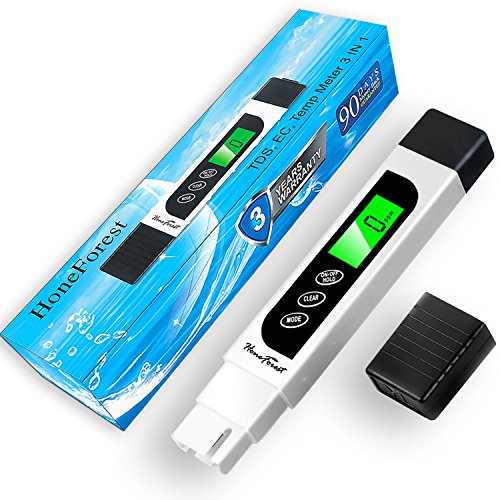
Event-Driven Testing
Test after any known plumbing work, a documented utility violation notice, or if you notice a persistent change in taste, odor, or appearance not explained by normal seasonal variation.

Test the Same Way Each Time or the Series Means Nothing
A retest is only informative if it is comparable to the one before it. That means the same fixture, the same amount of stagnation time before sampling, the same laboratory and analytical method where you can manage it, and ideally a similar point in the year. Each of those variables can move a result on its own.
Without that discipline, a year-over-year difference tells you about the method rather than the water, and the change you were monitoring for is buried inside the noise. Write down the conditions with the result the first time, then follow your own note the next time. It costs nothing and it is what turns a stack of individual readings into a trend you can actually read.
What Can Change on the Utility’s Side Between Reports
An annual report is a summary of a year that has already happened, and several things can change inside that year. Some systems switch between sources seasonally, treatment chemistry is adjusted over time, and distribution work, main breaks and repairs temporarily disturb conditions in the pipes serving a particular street.
None of that necessarily means a problem, but it does mean the report is a lagging picture. Where your utility offers notifications, alerts or a public work-order map, signing up is the cheapest way to know that something changed near you without waiting for next summer’s document. It also gives you the context to interpret a result that looks different from last year’s.
Keep the Record Somewhere You Will Actually Find It
A workable log is short: the date, which tap, how long the water sat, who analyzed it, the parameters requested, the results, and a line about anything unusual happening at the time, such as recent plumbing work or a utility notice. Anything more elaborate tends not to get filled in.
Keep it with your other house records rather than in an email thread. Beyond monitoring, this file is what lets you answer a buyer, an inspector, a plumber or an insurer with evidence instead of recollection, and assembling it in advance costs a fraction of reconstructing it under time pressure.
FAQ
Do I need to test my municipal water every year like I would well water?
Not the source water itself — that’s already tested by your utility. Tap-specific testing (for lead, particularly) is reasonable every 1-2 years if you have known or suspected lead plumbing.
Does having a water filter change how often I should test?
It adds a reason to test rather than removing one, because a filter is a component with a service life. Testing at a point the filter treats tells you whether it is still doing what it was installed to do, and pairing that with the manufacturer’s replacement schedule is more informative than either on its own.
Should I retest after a water main break in my street?
Follow whatever guidance the utility issues first, since they know what happened and will say if any precaution applies. Beyond that, disturbance in the distribution system is a reasonable prompt to retest if you already had a specific concern you were tracking, particularly one related to plumbing material.
Is a home test strip enough for annual monitoring?
Strips are a fast, cheap screen and a reasonable way to decide whether to escalate. They are not a substitute for a certified laboratory result when the answer needs to be precise, comparable year over year, or shown to anyone else. Using a strip for routine checks and a lab for the record is a common split.
Follow up promptly on any utility violation notice you receive, regardless of your regular testing schedule.
References
- CCR Information for Consumers. U.S. Environmental Protection Agency. Accessed 17 September 2026
These statements have not been evaluated by the Food and Drug Administration. This information is not intended to diagnose, treat, cure, or prevent any disease. Content is for informational purposes only and is not medical advice; consult a qualified healthcare provider before starting any supplement. As an Amazon Associate we earn from qualifying purchases.
