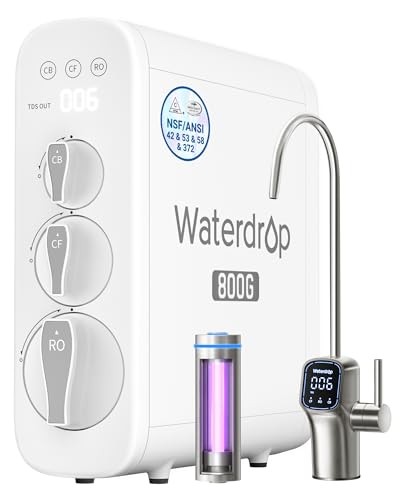
Water treatment installation typically involves both general plumbing licensing and, optionally, specialized water treatment certification.
- General plumbing licensing is the baseline credential for whole-house filtration installation.
- WQA certification indicates specialized water treatment training beyond general plumbing.
- Verify plumbing license and any WQA certification directly.
- Confirm liability insurance regardless of the specific credentials involved.
Plumbing Licensing
Since whole-house filtration installation involves connecting to your main water line, a licensed plumber (or a company employing licensed plumbers) is the baseline credential relevant here, similar to any plumbing work.
Water Quality Association Certification
The WQA offers certification for water treatment professionals specifically, indicating training in system design and selection matched to specific water quality concerns — a valuable additional credential beyond general plumbing licensing.

What to Verify Before Hiring
Ask for plumbing license verification and, if available, WQA certification, and confirm liability insurance regardless of which specific credentials apply.
Verify a License Rather Than Take It on Trust
Most states and many localities publish a license lookup that lets you confirm a credential directly. Check that the license is current rather than merely issued at some point, that the name on it matches the entity you are contracting with, and whether any disciplinary history is recorded.
Verify the person who will actually perform the work, not only the company. A firm may hold a qualifying license through one individual while sending someone else to your house, which is normal in many arrangements but worth understanding. Asking who will be on site and under whose license the work is performed is a reasonable question, and the answer tends to be informative either way.
Insurance and Bonding Are Separate Checks
Licensing says a credential exists. It does not tell you what happens if something goes wrong. General liability coverage, workers compensation for anyone on your property, and bonding where your jurisdiction requires it are separate items, and each answers a different question about who carries the risk.
Ask for a certificate of insurance issued directly by the insurer or its agent rather than a copy handed over by the contractor, and check that the policy is current on the dates your work is scheduled. This is a routine request in contracting and a reputable firm arranges it without friction.
Credential Red Flags Worth Slowing Down For
A few responses are worth pausing on, not because any one of them proves anything but because they cluster. Reluctance to provide a license number for lookup, an insurance certificate that only ever arrives as a photocopy, a scope that stays verbal no matter how often you ask, and pressure to decide before you have had a chance to check anything are the common ones.
Treat them as prompts to verify rather than as verdicts. Every one of them has an innocent explanation some of the time, and every one of them is also easy for a legitimate firm to resolve in a single email. A contractor who responds to a verification request by supplying the document has answered the question; one who responds by making the request feel unreasonable has answered a different one.
Credentials Do Not Replace a Written Scope
A license establishes who is permitted to do the work. It says nothing about what they have agreed to do for you. Those are separate documents and the second one is the one you will refer back to if there is a disagreement.
A workable scope names the specific equipment and model, what the installation includes and excludes, who obtains any permit, the warranty on both the equipment and the labor, what post-installation verification will be performed, and the payment schedule. Every one of those is easier to agree beforehand than to reconstruct afterwards.
FAQ
Do I need someone with special water treatment certification, or is a regular plumber enough?
A licensed plumber can perform the installation; WQA certification adds value for system selection and design specifically matched to your documented concerns.
How do I check whether a plumber’s license is current?
Start with your state licensing board, which usually offers an online lookup by name or license number; some cities and counties maintain their own. Confirm the status is active, that it covers the type of work involved, and that the name matches the business you are hiring.
What is a certificate of insurance and why should it come from the insurer?
It is a summary document confirming a policy exists, what it covers and when it expires. Requesting it from the insurer or its agent rather than the contractor confirms the policy is current at the time you ask, which a document handed to you cannot establish on its own.
Is a manufacturer certified installer badge a licensing credential?
No. It indicates training on that manufacturer’s products, which is genuinely useful for correct installation and for preserving the equipment warranty, but it is issued by a company rather than a licensing authority. Treat it as an addition to plumbing licensing rather than a substitute for it.
Verify licensing directly rather than relying solely on a company’s self-reported credentials.
These statements have not been evaluated by the Food and Drug Administration. This information is not intended to diagnose, treat, cure, or prevent any disease. Content is for informational purposes only and is not medical advice; consult a qualified healthcare provider before starting any supplement. As an Amazon Associate we earn from qualifying purchases.