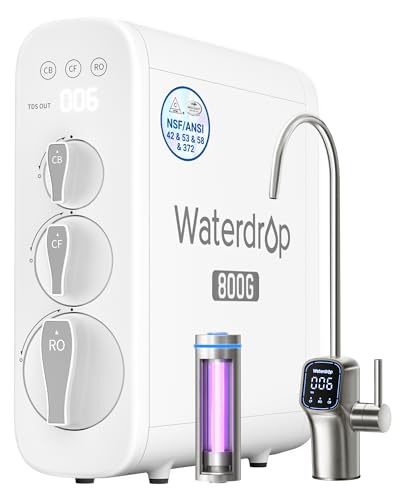
Given the significant investment in a whole-house system, confirming it’s actually working is a meaningful verification step.
- Test both raw and treated water shortly after installation for a clear comparison.
- A properly matched system should bring the targeted contaminant to confirmed low or non-detectable levels.
- Periodic retesting aligned with maintenance schedule confirms continued performance.
- Given the significant investment, verification is a meaningful step, not optional.
The Comparison Test
Test both raw (pre-treatment) and treated water shortly after installation, targeting the specific contaminant the system was designed to address, for a clear before-and-after comparison confirming your investment is delivering expected results.
What Success Looks Like
A properly functioning, correctly matched system should bring the targeted contaminant to a confirmed low or non-detectable level, consistent with the system’s certified performance specifications.
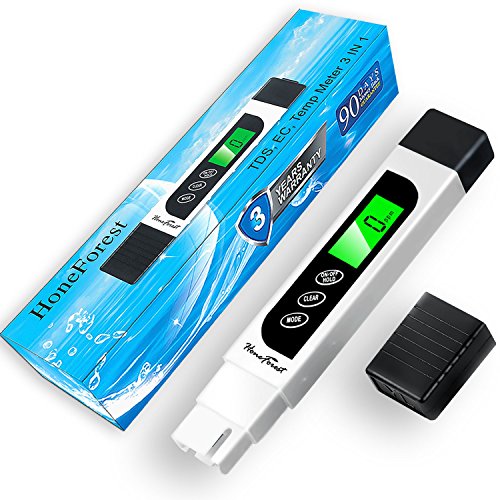
Ongoing Verification
Periodic retesting, aligned with your system’s maintenance schedule (membrane/filter replacement), confirms continued performance as the system ages, particularly worthwhile given the significant investment involved.

Sample the Same Way Both Times or the Comparison Means Nothing
A before and after comparison only holds if the two samples were drawn under the same conditions. How long the water had been standing, which fixture was used, whether the tap ran first and for how long, and the time of day all move a result, and any of them differing between the two samples introduces a change that has nothing to do with the equipment.
Write the protocol down before the first sample rather than trying to reproduce it from memory afterwards. Fixture, standing time, run time before collection and time of day are enough, and repeating exactly that for the second sample is what makes the difference between them attributable to the system.
Use the Same Laboratory and the Same Panel
Laboratories differ in method and in reporting limit, so a result from one and a result from another are not straightforwardly comparable even when both are correct. A change between two labs can reflect the method rather than the water, which is exactly the ambiguity a verification test exists to avoid.
Ordering the same panel from the same laboratory removes that variable entirely, and it is usually the cheaper option as well. Where the second sample has to go somewhere else, ask both laboratories for their reporting limits for the contaminant in question, so you can tell whether a lower result reflects better water or a different measurement floor.
Read Non-Detect as a Floor, Not as Zero
A result reported as not detected means the contaminant was not found above the laboratory’s reporting limit for that method. That is a strong result and it is what a correctly matched system should produce, but it describes the limit of what the method could see rather than a measurement of zero.
This matters when you compare two non-detect results, because two laboratories or two methods with different reporting limits produce non-detect results that are not equivalent. Keeping the reporting limit alongside the result in your records is what makes a future comparison possible, and it costs nothing because the figure is already on the report.
FAQ
How soon after installation should I test to confirm my system is working?
Shortly after installation — this gives prompt confirmation your significant investment is delivering the expected results.
Do I need to test the raw water as well as the treated water?
A paired sample is what turns a treated result into evidence about the system. Without the untreated comparison you know what is at the tap and not what the equipment changed, which is the question a verification test is being run to answer.
My treated result came back not detected. Is the system definitely working?
It is the result a correctly matched system should give, read as below the laboratory’s reporting limit rather than as zero. Keeping that limit with the record is what lets you compare against a future test rather than guessing whether two non-detects mean the same thing.
How often should I repeat verification after the first check?
Align it with the maintenance schedule in your system’s own documentation, since performance is tied to consumable life rather than to the calendar. Repeating around a cartridge or membrane change also tells you whether the part that was replaced was in fact the one that needed replacing.
Don’t skip verification testing given the significant investment involved in a whole-house system.
These statements have not been evaluated by the Food and Drug Administration. This information is not intended to diagnose, treat, cure, or prevent any disease. Content is for informational purposes only and is not medical advice; consult a qualified healthcare provider before starting any supplement. As an Amazon Associate we earn from qualifying purchases.