Finding a reliable contractor to address municipal tap water contaminants can feel overwhelming, especially when the stakes involve your family’s health and the integrity of your plumbing. This guide breaks down the practical steps homeowners can take to evaluate professionals, understand what services are truly needed, and avoid common pitfalls.
Because the evidence base for specific contractor outcomes is limited, the advice here focuses on verifiable credentials, transparent communication, and realistic cost expectations rather than promises of guaranteed contaminant removal. Use it as a framework for making an informed hiring decision.
- Verify licenses, certifications (e.g., WQA CWS), and insurance before any work begins.
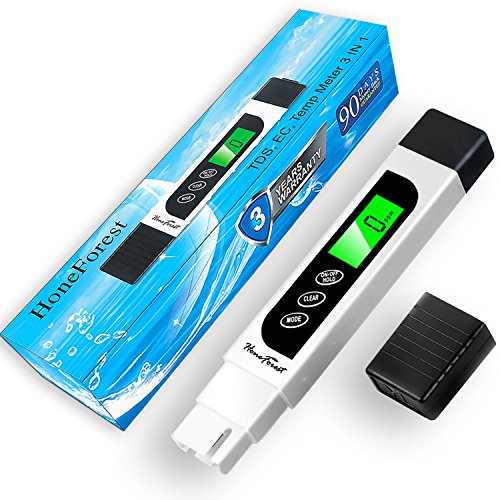
- Require an independent, certified water test as the basis for any treatment recommendation.
- Ask for a written, itemized contract with performance targets, warranty details, and maintenance responsibilities.
- Compare quoted costs to typical market ranges; beware of prices that are too low or too high without explanation.
- Walk away from contractors who pressure you, lack transparency, or cannot provide references.
Why a Qualified Contractor Matters
Municipal water supplies can contain a range of contaminants — from lead and chlorine by‑products to emerging PFAS compounds — that require different treatment technologies. A qualified contractor will first verify what is actually present in your water through certified laboratory testing, then match the appropriate treatment system to those results.
Hiring someone without proper training can lead to undersized equipment, incorrect installation, or the use of ineffective media, all of which waste money and may leave contaminants unresolved. A competent professional also understands local plumbing codes and any permitting requirements for whole‑house systems.
Credentials and Certifications to Verify
Look for contractors who hold certifications from recognized industry bodies such as the Water Quality Association (WQA) Certified Water Specialist (CWS) or the National Association of Water Companies (NAWC) accredited installer programs. These designations indicate that the individual has completed coursework on contaminant chemistry, treatment technology selection, and system maintenance.
State or municipal licensing for plumbing contractors is a baseline requirement; confirm that the license is current and in good standing. Additionally, ask whether the company carries liability insurance and workers’ compensation coverage, which protects you if damage occurs during installation.
Membership in professional associations (e.g., American Water Works Association) is a positive signal, but it should not replace verification of the specific certifications and licenses mentioned above.
Key Questions to Ask Before Hiring
1. Can you provide a recent, third‑party laboratory report for a similar project? 2. Which treatment technologies do you recommend for the specific contaminants identified in my water test, and why? 3.
What is the expected lifespan and maintenance schedule for the proposed system? 4. Do you offer a written performance guarantee that specifies measurable reduction targets (e.g., % reduction of lead) rather than vague “clean water” language?
5. What is the total installed cost, including permits, labor, and any required plumbing modifications?

A reputable contractor will answer each question with concrete details, reference the test data, and explain any limitations of the proposed solution. Be wary of vague assurances or pressure to sign a contract before you have reviewed the test results.

Understanding Scope, Testing, and Treatment Options
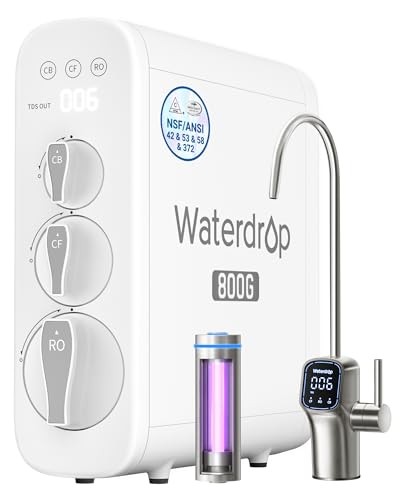
The scope of work should start with an independent, certified water test — not a test kit supplied by the contractor. Once results are in, the contractor should present a treatment plan that addresses each contaminant class (e.g., activated carbon for organic chemicals, ion exchange for hardness, reverse osmosis for a broad spectrum).
Ask whether the plan includes point‑of‑use (under‑sink) units, point‑of‑entry (whole‑house) systems, or a combination. Whole‑house systems protect all fixtures but are more expensive and may require larger space and higher flow rates. Point‑of‑use units are cheaper and easier to maintain but only treat water at a single tap.
Clarify who is responsible for ongoing filter changes, media replacement, and system monitoring. Some contractors offer service contracts; others leave maintenance entirely to the homeowner. Know the ongoing cost before you commit.
Cost Expectations and Contract Details
Typical installed costs for a whole‑house carbon block system range from $1,500 to $4,000, while a residential reverse‑osmosis unit with pre‑ and post‑filters can run $800 to $2,500 installed. Whole‑house ion‑exchange or specialty media for PFAS may exceed $5,000. These ranges include equipment, labor, basic plumbing modifications, and permits.
The contract should itemize each cost component, specify the exact model numbers of equipment, and include a timeline for installation. It must also state the warranty terms for both equipment (usually 1–5 years) and workmanship (often 1 year). Avoid contracts that lock you into proprietary filter cartridges only available from the contractor at inflated prices.
Request a clause that allows you to cancel or renegotiate if post‑installation testing does not meet the agreed‑upon reduction targets. This protects you from paying for a system that underperforms.
Red Flags and When to Walk Away
A contractor who refuses to share a third‑party lab report, insists on a single “one‑size‑fits‑all” system without reviewing your specific test results, or pressures you to sign immediately is a warning sign. Similarly, lack of verifiable licensing, missing insurance documentation, or an unwillingness to provide references from recent local jobs should raise concerns.
If the quoted price is dramatically lower than the market ranges above, the contractor may be cutting corners on equipment quality, skipping permits, or using uncertified media. Conversely, an excessively high quote without a clear justification may indicate upselling unnecessary components.
Trust your instincts: a professional who communicates clearly, respects your need for independent verification, and provides a detailed, written proposal is far more likely to deliver a system that meets your water‑quality goals [1].
FAQ
Do I need a whole‑house system if only my kitchen tap shows high lead?
A point‑of‑use reverse‑osmosis or certified lead‑reduction filter at the kitchen sink can address lead at that tap, but a whole‑house system protects all fixtures and may be required if lead is present throughout the plumbing. Discuss the test results with a qualified contractor to decide the most cost‑effective scope.

How often should I retest my water after installation?
Most professionals recommend retesting within 30 days of installation to verify performance, then annually or whenever you notice changes in taste, odor, or color. Some service contracts include scheduled testing.
Can I install a treatment system myself to save money?
Simple under‑sink carbon filters are often DIY‑friendly, but whole‑house systems involve plumbing modifications, pressure considerations, and code compliance that typically require a licensed plumber. Improper installation can void warranties and create leaks.
What certifications should I look for on the equipment itself?
Look for NSF/ANSI standards relevant to the contaminant: NSF/ANSI 42 for aesthetic effects (chlorine taste/odor), NSF/ANSI 53 for health‑related contaminants (lead, VOCs), NSF/ANSI 58 for reverse‑osmosis, and NSF/ANSI 401 for emerging compounds like pharmaceuticals and pesticides. PFAS claims sit under NSF/ANSI 53 and 58, not 401. The contractor should provide the certification documentation.
This article provides general guidance based on industry best practices; it does not substitute for a professional water‑quality assessment or licensed plumbing work. Always engage a certified water‑treatment specialist and a licensed plumber for system design, permitting, and installation.
References
- How To Avoid a Home Improvement Scam. U.S. Federal Trade Commission
These statements have not been evaluated by the Food and Drug Administration. This information is not intended to diagnose, treat, cure, or prevent any disease. Content is for informational purposes only and is not medical advice; consult a qualified healthcare provider before starting any supplement. As an Amazon Associate we earn from qualifying purchases.