Municipal water systems in the U.S. are regulated and generally safe, but trace contaminants can still reach household taps. Understanding what the scientific evidence actually shows — and where uncertainties remain — helps homeowners make informed decisions about testing and treatment.
This article summarizes findings from peer-reviewed toxicology and epidemiology studies on common tap water contaminants. It is not medical advice; if you have specific health concerns, consult a healthcare provider and consider professional water testing.
- PFAS, heavy metals, VOCs, and endocrine disruptors are the contaminant classes with the strongest evidence for health effects at levels that can occur in municipal tap water.
- Prenatal and early-life exposure windows are especially sensitive for PFAS, lead, PCE, and thyroid-disrupting chemicals.
- No single treatment technology removes all contaminants; match the treatment to the specific contaminants confirmed by testing.
- Annual Consumer Confidence Reports are a starting point, but they do not reflect plumbing-related contamination (e.g., lead) or unregulated contaminants.
- Professional laboratory testing is the only reliable way to know what is in your water at the tap.
Common Contaminant Categories in Municipal Water
Municipal water treatment reduces but does not always eliminate all contaminants. Categories of concern include per- and polyfluoroalkyl substances (PFAS), heavy metals such as arsenic and lead, volatile organic compounds like tetrachloroethylene (PCE), and other endocrine-disrupting chemicals. These can enter water from industrial discharge, aging infrastructure, agricultural runoff, or natural geological sources.
Regulatory limits (Maximum Contaminant Levels) exist for many but not all of these substances. Some contaminants, including certain PFAS compounds, have only recently received enforceable federal standards. Homeowners served by public systems receive annual Consumer Confidence Reports, but these may not reflect conditions at the tap after water travels through home plumbing.
PFAS Exposure Pathways and Documented Health Effects
PFAS are a large class of persistent synthetic chemicals used in firefighting foams, nonstick coatings, and stain-resistant fabrics. A 2019 review identified drinking water as a major exposure pathway for communities near contamination sources, alongside diet, indoor dust, and consumer products [1].
Epidemiological and toxicological studies link PFAS exposure to multiple health outcomes. Research associates PFAS with altered female reproductive outcomes, including effects on fertility, pregnancy complications, and hormone-mediated pathways [2]. Early-life exposure — including prenatal exposure via the placenta — has been associated with latent health effects that may manifest later in life, with the placenta identified as both a target tissue and a potential driver of peri- and postnatal effects [3].

Animal studies support these concerns. Gestational exposure to PFOA or the replacement chemical GenX in mice produced maternal, embryo, and placental effects, indicating developmental toxicity at doses relevant to human exposure scenarios [4].
Heavy Metals: Arsenic, Lead, and Metabolic Disruption
Arsenic occurs naturally in groundwater in many U.S. regions and can also enter water from industrial sources. Chronic arsenic poisoning is well-documented, with long-term ingestion linked to skin lesions, cardiovascular disease, diabetes, and multiple cancers [5]. Even at concentrations below the current EPA standard (10 µg/L), some epidemiological studies report associations with adverse health outcomes.
Lead primarily enters tap water through corrosion of lead service lines, solder, and brass fixtures. There is no safe level of lead exposure, particularly for children and pregnant women. Broader research on heavy metals shows they can disrupt human metabolism through oxidative stress, enzyme inhibition, and interference with essential nutrient pathways [6]. A 2018 review documented widespread exposure prevalence and associations with neurological, renal, cardiovascular, and developmental health consequences [7].

Endocrine Disruption and Thyroid Health
Several tap water contaminants — including certain PFAS, PCBs, pesticides, and heavy metals — are classified as endocrine-disrupting chemicals (EDCs). A 2024 review details how EDCs can interfere with thyroid hormone synthesis, transport, and receptor signaling, potentially contributing to hypothyroidism, autoimmune thyroid disease, and developmental neurotoxicity [8].
Thyroid disruption is of particular concern during pregnancy and early childhood, when thyroid hormone is critical for brain development. While water is not the only exposure route, it contributes to cumulative body burden, especially in areas with known contamination.

Reproductive and Developmental Risks from Volatile Organic Compounds
Tetrachloroethylene (PCE), a solvent used in dry cleaning and industrial degreasing, has contaminated drinking water supplies in multiple U.S. communities. A 2020 study of prenatal exposure to PCE-contaminated drinking water reported associations with adverse reproductive and developmental outcomes, including delayed time-to-pregnancy, placental abruption, stillbirths stemming from placental dysfunction and certain birth defects, though not birth weight [9].
PCE and related volatile organic compounds (VOCs) can be inhaled during showering and absorbed through skin during bathing, in addition to ingestion. This multi-route exposure complicates risk assessment and underscores the value of whole-house or point-of-use treatment where VOCs are detected.
Emerging Evidence on Chronic Kidney Disease
Chronic kidney disease of unknown etiology (CKDu) has been documented in agricultural communities worldwide. A 2023 comprehensive review examined environmental contributors, including heavy metals (arsenic, cadmium), pesticide exposures, and heat stress with dehydration [10]. While CKDu clusters are most studied outside the U.S., the review highlights mechanisms — such as tubular injury from chronic low-dose nephrotoxicant exposure — that are biologically plausible in any setting with contaminated water.
For U.S. homeowners, this evidence reinforces the importance of testing for nephrotoxic metals, particularly in private wells and in regions with known geological arsenic or historical industrial contamination.
FAQ
Do municipal water standards guarantee my tap water is safe?
Standards (Maximum Contaminant Levels) are set based on health evidence, feasibility, and cost. Some contaminants lack enforceable standards, and compliance is measured at the treatment plant, not at your faucet. Plumbing materials and stagnation can change water quality after it leaves the main.
Which contaminants are most linked to reproductive or developmental harm?
Research links prenatal PFAS exposure to altered reproductive outcomes and latent health effects [2][3]. PCE-contaminated drinking water has been associated with delayed time-to-pregnancy, placental abruption, stillbirths stemming from placental dysfunction and certain birth defects, though not with birth weight [9]. Lead has no safe level for neurodevelopment.
Can a simple pitcher filter protect me from all these contaminants?
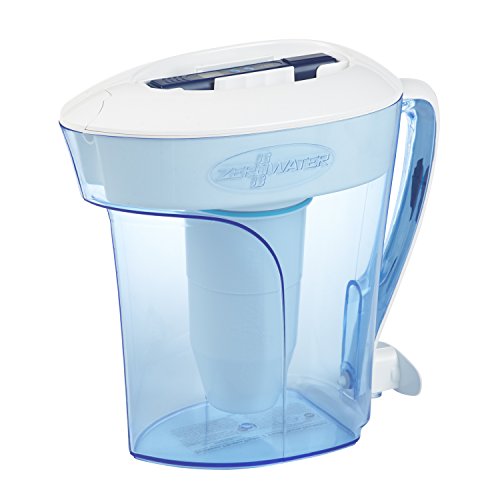
Pitcher filters certified to NSF/ANSI 53 or 42 reduce specific contaminants (often lead, chlorine, some PFAS), but they do not remove all heavy metals, VOCs, or PFAS variants. Check the product’s performance data sheet for the specific contaminants you need to address.

When should I test my water instead of relying on the utility’s report?
Test if you have lead service lines or plumbing, live in an area with known PFAS or industrial contamination, use a private well, notice taste/odor/color changes, or are pregnant or have young children. Professional lab testing is recommended over DIY test strips for health-related decisions.
This article summarizes scientific literature and is not medical advice. Health effects depend on dose, duration, individual susceptibility, and co-exposures. For health concerns related to water contaminants, consult a healthcare provider. For water quality decisions, use a state-certified laboratory and consult a licensed water treatment professional for system selection and installation.
References
- A review of the pathways of human exposure to poly- and perfluoroalkyl substances (PFASs) and present understanding of health effects. Journal of exposure science & environmental epidemiology, 2019
- Per- and poly-fluoroalkyl substances (PFAS) and female reproductive outcomes: PFAS elimination, endocrine-mediated effects, and disease. Toxicology, 2022
- Early life exposure to per- and polyfluoroalkyl substances (PFAS) and latent health outcomes: A review including the placenta as a target tissue and possible driver of peri- and postnatal effects. Toxicology, 2020
- Evaluation of Maternal, Embryo, and Placental Effects in CD-1 Mice following Gestational Exposure to Perfluorooctanoic Acid (PFOA) or Hexafluoropropylene Oxide Dimer Acid (HFPO-DA or GenX). Environmental health perspectives, 2020
- Chronic arsenic poisoning. Toxicology letters, 2002
- The effects of heavy metals on human metabolism. Toxicology mechanisms and methods, 2020
- Prevalence of exposure of heavy metals and their impact on health consequences. Journal of cellular biochemistry, 2018
- Endocrine Disruptors and Thyroid Health. Endocrine practice : official journal of the American College of Endocrinology and the American Association of Clinical Endocrinologists, 2024
- Reproductive and developmental health effects of prenatal exposure to tetrachloroethylene-contaminated drinking water. Environmental science. Processes & impacts, 2020
- Chronic kidney disease of unknown aetiology: A comprehensive review of a global public health problem. Tropical medicine & international health : TM & IH, 2023
These statements have not been evaluated by the Food and Drug Administration. This information is not intended to diagnose, treat, cure, or prevent any disease. Content is for informational purposes only and is not medical advice; consult a qualified healthcare provider before starting any supplement. As an Amazon Associate we earn from qualifying purchases.