Municipal water systems in the United States are required to meet federal safety standards, yet a range of contaminants can still reach household taps due to aging infrastructure, source‑water quality changes, and occasional treatment lapses. Understanding how frequently these contaminants appear helps homeowners decide when simple precautions are enough and when professional evaluation is warranted.
Research on specific pollutants — such as lead, per‑ and polyfluoroalkyl substances (PFAS), pesticides, and post‑wildfire residues — shows that detectable levels occur in a measurable fraction of homes, though concentrations vary widely by region, system age, and local environmental events [1][2][3][4]. This article summarizes what the available evidence tells us about prevalence and the factors that raise risk.
- Municipal tap water generally meets federal standards, but detectable contaminants (lead, PFAS, pesticides, disinfection by‑products) occur in a measurable share of homes.
- Lead risk is closely tied to corrosion control effectiveness and the presence of lead service lines or plumbing.
- Emerging contaminants like PFAS and certain pesticides may not yet have enforceable federal limits; state rules and utility CCRs are the best current sources of local data.
- Extreme events (wildfires, main breaks) can cause short‑term spikes that standard treatment may not fully address.
- Households on private wells or in underserved communities face higher exposure risks and should pursue independent testing.
Overview of Common Contaminants in Municipal Systems
The U.S. Environmental Protection Agency (EPA) regulates over 90 contaminants in public drinking water, including microorganisms, disinfection by‑products, inorganic chemicals, and radionuclides. Compliance monitoring is extensive, but violations do occur; the EPA’s annual compliance reports consistently note that a small percentage of systems exceed one or more maximum contaminant levels (MCLs) each year. Most exceedances involve microbial indicators or disinfection by‑products rather than acute toxicants.
Lead remains a persistent concern because it can leach from service lines, plumbing fixtures, and solder, especially when water chemistry changes. A national surveillance study found that measurable lead in tap water correlates with elevated blood lead levels in children, underscoring that even low‑level exposure at the tap can have health relevance [1].
Emerging contaminants such as PFAS are not yet uniformly regulated at the federal level, but several states have set their own limits. Monitoring data from Wisconsin’s shallow groundwater — used by some municipal systems — detected PFAS in a notable share of samples, indicating that these chemicals can enter finished water if source protection and treatment are insufficient [2].
Lead and Corrosion Control
Corrosion control treatment (e.g., orthophosphate addition) is the primary tool utilities use to reduce lead leaching. When treatment is optimized and maintained, lead levels at the tap typically fall well below the EPA action level of 15 µg/L. However, changes in source water, treatment interruptions, or partial lead‑service‑line replacements can cause spikes.

The 2012 MMWR supplement analyzing lead in drinking water and blood lead levels demonstrated that communities with inadequate corrosion control experienced higher proportions of children with blood lead concentrations above the CDC reference value [1]. This finding highlights the link between system‑level treatment decisions and household exposure.
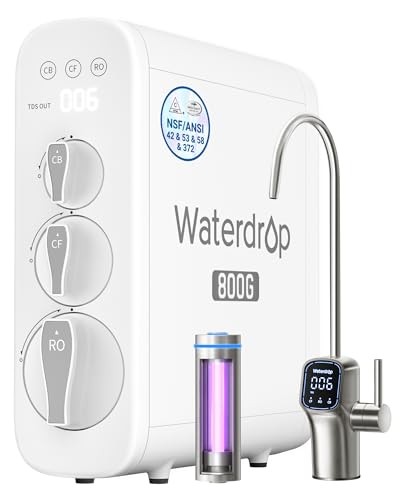
Homeowners can reduce personal risk by flushing taps before use, using cold water for cooking, and installing point‑of‑use filters certified to NSF/ANSI Standard 53 for lead reduction. These steps are practical but do not replace the need for utilities to maintain effective corrosion control.

Emerging Contaminants: PFAS and Pesticides
PFAS are a large class of synthetic chemicals used in firefighting foams, industrial processes, and consumer products. Their persistence and mobility mean they can travel from contaminated sites into surface and groundwater that feed municipal intakes. The Wisconsin groundwater study found PFAS concentrations above proposed state thresholds in multiple shallow wells, suggesting that without targeted treatment (e.g., granular activated carbon or ion exchange), these compounds may reach consumers [2].
Pesticide residues in drinking water have been documented in agricultural regions. An earlier epidemiological review linked pesticide exposure through water to increased childhood cancer risk, indicating that even low‑level chronic exposure may be a concern [3]. While modern treatment (e.g., advanced oxidation, membrane filtration) can remove many pesticides, not all systems employ these technologies.
Because federal regulations for PFAS and many pesticides are still evolving, homeowners in affected watersheds should review their utility’s Consumer Confidence Report (CCR) for any detected levels and consider certified point‑of‑use devices (NSF/ANSI 53 for PFAS, NSF/ANSI 401 for certain pesticides) as an additional barrier.

Event‑Driven Contamination: Wildfires and Infrastructure Failures
Large wildfires can dramatically alter source‑water quality by introducing ash, sediment, and fire‑suppression chemicals into reservoirs and rivers. A 2021 assessment after a major Western wildfire documented benzene and methylene chloride in tap water, with some contamination still detectable months after the fire [4]. A 2022 review of the wider literature found that metals in burned watersheds sometimes increased by orders of magnitude and, in select cases, exceeded drinking water standards even in finished drinking water [7].
Infrastructure failures — such as main breaks, pressure losses, or treatment plant upsets — can also introduce contaminants temporarily. Boil‑water advisories are the typical public‑health response, but they do not address chemical contaminants that boiling cannot remove.
Residents in fire‑prone or aging‑infrastructure areas should keep an emergency supply of bottled water or a certified filtration system capable of removing volatile organic compounds (VOCs) and particulates, and stay alert to local advisories.
Disparities in Access, Testing Gaps, and Private‑Well Overlap
Not all households receive water from a regulated municipal system. A 2024 study of children in Alabama highlighted that communities lacking reliable water and sanitation access experience higher rates of gastrointestinal illness and developmental concerns, illustrating the health impact of inadequate supply infrastructure [5].
Even within municipal service areas, testing frequency and transparency vary. Small systems may monitor fewer contaminants and have longer intervals between required sampling, creating data gaps for consumers.
Private wells, which serve roughly 15 % of the U.S. population, are not subject to EPA regulations. A Maryland survey of private wells found microbiological and chemical contaminants — including nitrate, arsenic, and coliform bacteria — in a substantial proportion of samples, reminding homeowners that well water requires independent testing and treatment [6].

FAQ
How often do municipal water systems violate contaminant limits?
EPA compliance reports show that a small minority of systems exceed one or more MCLs each year, most often for microbial indicators or disinfection by‑products rather than acute toxicants.
Can a home filter remove lead and PFAS effectively?
Point‑of‑use filters certified to NSF/ANSI Standard 53 (lead) and Standard 53 or 58 with a PFAS claim can reduce these contaminants, but performance depends on proper installation, maintenance, and water chemistry. They are a supplement, not a substitute for system‑wide treatment.
What should I do if a wildfire occurs near my water source?
Follow local boil‑water or do‑not‑use advisories, use bottled water or a certified VOC‑reducing filter for drinking and cooking, and monitor utility communications for updates on treatment adjustments.
Do I need to test my tap water if I live in a city?
Routine testing is performed by the utility, but you may want additional testing if your home has older plumbing, known lead service lines, or if the CCR reports detections of contaminants of concern.
This information is for educational purposes only and does not constitute medical or legal advice. If you suspect a serious contamination issue — such as persistent lead exceedances, unexplained health symptoms, or a known nearby contamination event — contact a licensed water‑quality professional or your local health department for comprehensive testing and remediation guidance.
References
- Lead in drinking water and human blood lead levels in the United States. MMWR supplements, 2012
- Prevalence and Source Tracing of PFAS in Shallow Groundwater Used for Drinking Water in Wisconsin, USA. Environmental science & technology, 2023
- Pesticides and childhood cancer. Environmental health perspectives, 1998
- Fire and Water: Assessing Drinking Water Contamination After a Major Wildfire. ACS ES&T water, 2021
- Water and Sanitation Access for Children in Alabama. Pediatrics, 2024
- Prevalence of Microbiological and Chemical Contaminants in Private Drinking Water Wells in Maryland, USA. International journal of environmental research and public health, 2018
- Wildfire Induces Changes in Receiving Waters: A Review With Considerations for Water Quality Management. Water resources research, 2022
These statements have not been evaluated by the Food and Drug Administration. This information is not intended to diagnose, treat, cure, or prevent any disease. Content is for informational purposes only and is not medical advice; consult a qualified healthcare provider before starting any supplement. As an Amazon Associate we earn from qualifying purchases.