Many homeowners start with a home test kit or a quick visual check when they notice an odd taste, odor, or color in their tap water. Those first steps are useful for spotting obvious problems, but they only reveal a fraction of what may be present in a municipal supply.
This guide explains the situations where a qualified water‑quality professional becomes the most reliable option, what contaminants typically demand expert analysis, how home treatment systems fit into the picture, and what you can expect to spend for professional testing and remediation.
- DIY kits are a good first screen but cannot detect many trace‑level or emerging contaminants.
- Persistent taste, odor, color changes, health symptoms, or utility advisories signal the need for professional testing.
- Home treatment devices have specific, certified capabilities; no single system removes every contaminant.
- Budget for lab analysis ($150‑$600), consulting ($100‑$400), and any required treatment equipment ($300‑$5,000+).
- Verify credentials (WQA CWS, AWWA, state license, NELAP lab accreditation) before hiring a water‑quality professional.
Recognizing Signs That DIY Testing Isn’t Enough
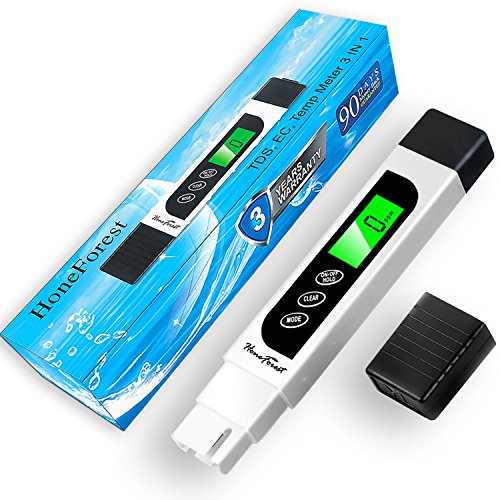
Home test kits are designed to screen for a limited set of parameters such as chlorine, hardness, pH, and a few common metals. They provide a snapshot, but they cannot detect trace‑level contaminants like certain pesticides, pharmaceutical residues, or emerging compounds such as PFAS. Additionally, the accuracy of color‑change strips and handheld meters can vary widely depending on user technique and water temperature.
Persistent issues — recurring metallic taste, cloudy water that does not clear after flushing, unexplained gastrointestinal symptoms among household members, or a notice from the local utility about a treatment plant upset — are strong indicators that a more comprehensive laboratory analysis is warranted. Regulatory notices, boil‑water advisories, or a sudden change in water pressure can also signal that the problem extends beyond what a simple kit can capture.
If you have already installed a point‑of‑use filter and the problem persists, or if you are planning a major renovation that will alter plumbing, it is prudent to bring in a professional who can design a sampling plan, interpret results in the context of local regulations, and recommend a treatment strategy tailored to your specific water chemistry.
Common Contaminants That Often Require Professional Assessment
Lead and copper can leach from aging service lines and household plumbing, especially in homes built before the 1986 ban on lead solder. Arsenic, a naturally occurring element in some groundwater sources, may be present at levels that exceed the EPA maximum contaminant level but are invisible to taste or smell. Per‑ and polyfluoroalkyl substances (PFAS) have been detected in many municipal systems and require specialized analytical methods that are not available in consumer kits.
Microbial pathogens such as Cryptosporidium, Giardia, and certain strains of E. coli can survive standard disinfection if treatment lapses occur. Nitrate and nitrite, often from agricultural runoff, pose acute risks to infants and pregnant women and can fluctuate seasonally. Volatile organic compounds (VOCs) from industrial discharges or leaking underground storage tanks also demand laboratory‑grade detection.

Professional laboratories use EPA‑approved methods, chain‑of‑custody procedures, and accredited instrumentation to quantify these contaminants at parts‑per‑billion or parts‑per‑trillion levels. The resulting data package includes method detection limits, quality‑control results, and a clear comparison to federal and state standards — information that is essential for making informed remediation decisions.

Understanding the Limits of Home Treatment Systems
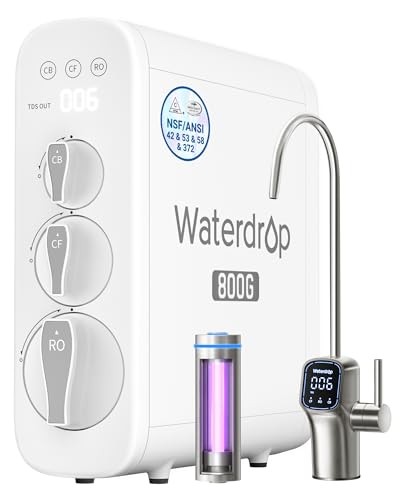
Point‑of‑use devices such as carbon block filters, reverse‑osmosis units, and ion‑exchange cartridges are certified under NSF/ANSI standards for specific contaminant reductions (e.g., NSF/ANSI 53 for lead, NSF/ANSI 58 for total dissolved solids)[1]. Whole‑house systems can address hardness, sediment, and certain chemicals, but no single technology removes every contaminant class. For example, activated carbon does not effectively reduce nitrate, and reverse‑osmosis membranes can be fouled by high iron or manganese without pretreatment.
Performance depends on proper sizing, flow rate, and routine maintenance — filter changes, membrane cleaning, and media regeneration. A system that is undersized for household demand will bypass treatment during peak use, while an oversized unit may waste water and increase operating costs. Manufacturer specifications provide maximum contaminant reduction claims under ideal laboratory conditions; real‑world performance can differ due to water temperature, pressure, and competing ions.
When multiple contaminants are present, or when the water chemistry is complex (high alkalinity, variable pH, presence of both organic and inorganic species), a professional can design a treatment train that sequences pretreatment, primary removal, and polishing steps. They also ensure that installation complies with local plumbing codes and that the system is commissioned with verified performance testing.
Cost Considerations and Budgeting for Professional Services
A basic comprehensive water‑quality panel from an accredited lab typically ranges from $150 to $400, depending on the number of analytes and turnaround time. Specialized testing for PFAS, radionuclides, or emerging contaminants can add $200 to $600 per sample. On‑site consulting fees for a certified water specialist usually start around $100 per hour, with a typical assessment taking two to four hours.
Remediation costs vary widely. Installing a point‑of‑use reverse‑osmosis system may cost $300 to $800 for equipment plus $150 to $300 for professional installation. Whole‑house treatment — such as a catalytic carbon filter, a water softener, or an oxidation‑filtration system — can range from $1,500 to $5,000 or more, not including plumbing modifications. Ongoing expenses include filter replacements ($50 to $200 per year) and periodic re‑testing.
To manage costs, request itemized quotes from at least three providers, verify that the lab holds relevant state accreditation, and ask whether the consultant carries professional liability insurance. Some utilities offer free or subsidized testing for lead and copper; check with your local water department before committing to private sampling.

How to Choose a Qualified Water Quality Professional
Look for individuals who hold certifications such as the Water Quality Association (WQA) Certified Water Specialist (CWS), the American Water Works Association (AWWA) Water Quality Analyst credential, or a state‑issued environmental health practitioner license. Laboratories should be accredited under the EPA’s National Environmental Laboratory Accreditation Program (NELAP) or an equivalent state program.
During an initial conversation, ask about their experience with the specific contaminants you suspect, request references from recent residential projects, and confirm that they provide a written report that includes sampling methodology, analytical results, regulatory comparisons, and clear recommendations. A reputable professional will also outline the scope of work, timeline, and any follow‑up testing needed after remediation.
Red flags include guarantees that a single product will “eliminate” all contaminants, pressure to sign a contract on the spot, lack of proof of insurance, or refusal to share lab accreditation documents. Transparent communication, documented credentials, and a willingness to coordinate with your local utility are hallmarks of a trustworthy provider.
FAQ
Can I rely on a single home test kit to know if my water is safe?
Home kits test only a limited set of parameters and often miss contaminants like lead at low levels, PFAS, or certain microbes. They are useful for a quick check but should not be the sole basis for safety decisions.
What contaminants most often require a professional lab analysis?
Lead, arsenic, PFAS, nitrate/nitrite, microbial pathogens (Cryptosporidium, Giardia), and volatile organic compounds typically need EPA‑approved laboratory methods for accurate quantification.
How do I know if my existing filter is doing its job?
Check the filter’s NSF/ANSI certification for the specific contaminant you target, follow the manufacturer’s replacement schedule, and consider periodic professional testing to verify actual reduction performance.
What should I ask a water‑quality consultant before hiring them?
Ask about certifications, experience with your suspected contaminants, references, insurance, whether they provide a written report with regulatory comparisons, and the total estimated cost including follow‑up testing.
This article provides general guidance; water chemistry varies by location and plumbing. For definitive assessment and remediation, consult a licensed water‑quality professional and an accredited laboratory.
References
- Consumer Tool for Identifying Point-of-Use and Pitcher Filters Certified to Reduce Lead in Drinking Water. U.S. Environmental Protection Agency. Accessed 17 September 2026
These statements have not been evaluated by the Food and Drug Administration. This information is not intended to diagnose, treat, cure, or prevent any disease. Content is for informational purposes only and is not medical advice; consult a qualified healthcare provider before starting any supplement. As an Amazon Associate we earn from qualifying purchases.