Municipal tap water is treated to meet regulatory standards, yet trace contaminants can remain at levels that affect some people more than others. Children, pregnant women, older adults, and individuals with compromised immune systems often experience greater health impacts from the same exposure.
Research shows that emerging contaminants and well‑studied metals such as arsenic and manganese pose particular concern for sensitive populations [1]. Arsenic exposure during pregnancy and childhood has been documented as a significant risk factor for developmental and metabolic effects [2].
- Children and pregnant women receive a higher dose per body weight and have developing systems that are more sensitive to arsenic, manganese, and emerging contaminants.
- Older adults and immunocompromised individuals may accumulate metals faster and have reduced ability to cope with chemical stressors in tap water.
- Arsenic, manganese, and unregulated emerging contaminants are the most documented risks for vulnerable groups in municipal supplies.
- Certified point‑of‑use treatment (reverse osmosis, activated carbon) combined with regular testing can substantially lower exposure, but professional guidance is advisable for complex contaminant profiles.
- No single treatment guarantees removal of all contaminants; ongoing monitoring and maintenance are essential.
Why Children Are More Vulnerable
Children drink more water per kilogram of body weight than adults, so any contaminant present in tap water delivers a proportionally larger dose. Their organ systems — especially the nervous, endocrine, and immune systems — are still developing, making them less able to detoxify or excrete certain chemicals.
Epidemiological data link early‑life arsenic exposure to reduced cognitive performance, altered growth patterns, and increased risk of metabolic disease later in life [2]. Animal studies also demonstrate that perinatal manganese exposure, especially when combined with maternal stress, can impair postnatal growth and neurodevelopment [3].
Because children spend more time at home and often consume tap water directly (e.g., formula preparation, cooking), household water quality becomes a primary exposure pathway. Parents should be aware that standard municipal treatment does not guarantee removal of all low‑level contaminants.
Pregnancy and Fetal Development Risks
During pregnancy, the placenta transfers nutrients — and contaminants — to the fetus. Even low concentrations of arsenic in drinking water have been associated with reduced birth weight, preterm delivery, and altered epigenetic markers in newborns [2].
Manganese is an essential nutrient, but excess intake during gestation can disrupt neurodevelopment. Rodent models show that perinatal manganese exposure combined with maternal stress leads to measurable deficits in offspring growth and behavior [3].
Emerging contaminants such as pharmaceuticals, per‑ and polyfluoroalkyl substances (PFAS), and endocrine‑disrupting compounds are increasingly detected in finished drinking water. Sensitive populations, including pregnant women, may experience hormonal or immune perturbations at concentrations below current regulatory limits [1].

Older Adults and Immunocompromised Individuals
Aging reduces kidney function and alters metabolism, slowing the clearance of metals like arsenic and manganese. Chronic low‑level exposure can therefore accumulate, contributing to cardiovascular disease, cognitive decline, and weakened bone health.
People with compromised immune systems — whether from disease, medication, or transplant — have reduced capacity to mount protective responses to microbial or chemical stressors in water. Integrating health research into emergency and routine water‑quality monitoring helps identify these heightened risks [4].

Common Contaminants of Concern for Vulnerable Groups
Arsenic remains a priority contaminant because it occurs naturally in many source waters and can persist through conventional treatment. Hazard assessments in private‑well settings highlight the difficulty of reducing arsenic to levels protective of children and pregnant women [5]; similar challenges apply to municipal systems with aging infrastructure.
Manganese is regulated for aesthetic reasons (taste, staining) but neurotoxic effects at concentrations below the secondary standard have been reported, especially for perinatal exposure [3].
Emerging contaminants — including PFAS, pharmaceuticals, and personal‑care product residues — are not routinely monitored in all utilities. Their presence raises particular concern for sensitive populations because toxicological data are still evolving [1].
Practical Steps for Households with Vulnerable Members
Start with a certified laboratory test of your tap water for arsenic, manganese, lead, nitrate, and a panel of emerging contaminants. Many state health departments offer subsidized testing kits for households with pregnant women or young children.
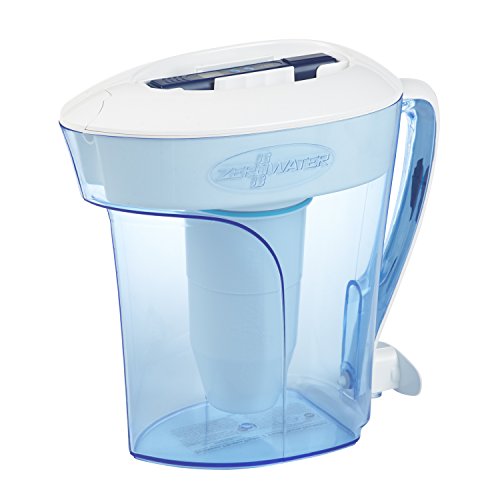
If results exceed health‑based guidelines (e.g., EPA’s maximum contaminant level goals), consider point‑of‑use treatment. Reverse‑osmosis systems certified to NSF/ANSI 58 effectively reduce arsenic and many emerging contaminants; activated carbon blocks certified to NSF/ANSI 53 can lower certain organic chemicals and improve taste.
Maintain treatment devices according to manufacturer schedules — filter changes, membrane cleaning, and periodic re‑testing are essential. For complex situations (e.g., high arsenic with competing ions, or whole‑house PFAS removal), consult a licensed water‑treatment professional who can design a system matched to your water chemistry and household needs.
FAQ
Is municipal tap water safe for infants if it meets EPA standards?
Meeting EPA standards means the water complies with legal limits, but some health‑based guidelines (e.g., for arsenic) are lower than the enforceable maximum contaminant level. Infants fed formula made with tap water can still receive a relatively high dose, so testing and, if needed, certified filtration are recommended [2].
Can boiling water remove arsenic or manganese?
Boiling does not remove dissolved metals such as arsenic or manganese; it can actually concentrate them as water evaporates. Effective reduction requires adsorption or membrane technologies (e.g., reverse osmosis) certified for those contaminants.
What should I do if my water test shows elevated PFAS?
PFAS are not removed by standard carbon filters unless the filter is specifically certified for PFAS reduction (NSF/ANSI 53 with PFAS claim). A point‑of‑use reverse‑osmosis unit certified for PFAS, or a whole‑house system designed by a licensed professional, is the most reliable approach [1].
When should I call a water‑treatment professional instead of using a DIY filter?
If multiple contaminants exceed guidelines, if water chemistry (pH, hardness, competing ions) complicates treatment selection, or if you need whole‑house protection for a vulnerable household member, a licensed professional can perform a comprehensive assessment and install a validated system.

This article provides general information based on peer‑reviewed research and does not constitute medical or legal advice. For health concerns related to specific water‑quality results, consult a qualified healthcare provider and a licensed water‑treatment professional for testing,reatment professional for testing and remediation.
References
- Emerging contaminants: a potential human health concern for sensitive populations. PDA journal of pharmaceutical science and technology, 2015
- Arsenic Exposure During Pregnancy and Childhood: Factors Explaining Changes over a Decade. Toxics, 2025
- Impacts of a perinatal exposure to manganese coupled with maternal stress in rats: Maternal somatic measures and the postnatal growth and development of rat offspring. Neurotoxicology and teratology, 2022
- Integrating Health Research into Disaster Response: The New NIH Disaster Research Response Program. International journal of environmental research and public health, 2016
- At the crossroads: Hazard assessment and reduction of health risks from arsenic in private well waters of the northeastern United States and Atlantic Canada. The Science of the total environment, 2015
These statements have not been evaluated by the Food and Drug Administration. This information is not intended to diagnose, treat, cure, or prevent any disease. Content is for informational purposes only and is not medical advice; consult a qualified healthcare provider before starting any supplement. As an Amazon Associate we earn from qualifying purchases.