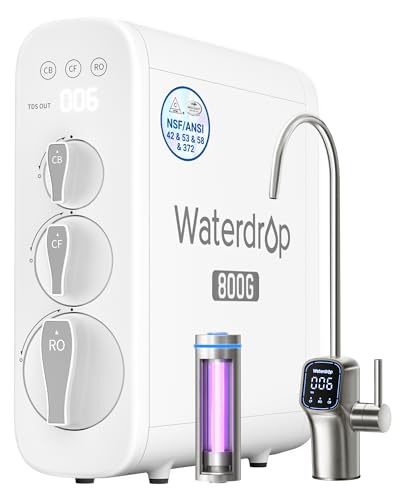
Given the significant price point typical of whole-house systems, negotiation has meaningful potential savings here.
- Multiple quotes give significant leverage given the high price range in this product category.
- Ask about seasonal promotions or manufacturer rebates.
- Bundling multiple water quality services with one provider may offer meaningful discounts.
- Given the significant price point, negotiation effort here has meaningful potential savings.
Leverage Multiple Quotes
Getting 3+ quotes gives you concrete numbers to reference — particularly valuable given the significant price range across different providers and systems for this specific product category.
Ask About Seasonal or Promotional Pricing
Water treatment companies sometimes run seasonal promotions or manufacturer rebates — ask about current promotions when getting quotes, given the significant purchase price at stake.

Bundle Negotiation for Multiple Services
If you’re also addressing other water quality needs (a water softener alongside the RO system, for example), ask whether bundling multiple services with the same provider offers a meaningful discount.
Sequence the Quotes So the Last One Is Not the Anchored One
Collecting quotes has an order effect that is easy to hand away. If each installer is told what the previous one proposed, later quotes tend to be written against that proposal rather than against your actual requirement, and you lose the independent second opinion that was the reason for asking.
The alternative costs nothing: give every installer the same written description of what you want addressed and let each specify their own solution. Where two independent specifications differ substantially, that difference is information about the job rather than noise, and it is worth asking each to explain their reasoning before you start comparing prices at all.
Decide in Advance What You Will Not Trade Away
A lower number reached by removing something you needed is not a saving. Worth settling before the conversation starts: the certification the equipment must carry for your documented concern, whether the warranty is transferable if you sell, who is responsible if the installation damages existing plumbing, and whether the installer is licensed and insured for the work in your jurisdiction.
Holding those fixed makes negotiation simpler rather than harder, because it narrows the conversation to price for a defined scope. It also makes two quotes comparable, since a cheaper bid that drops a certification requirement is not a cheaper version of the same job. Licensing and insurance requirements vary by jurisdiction, so confirm what applies where you live.
Ask What Happens If the Install Uncovers Something
Water treatment installations open up plumbing that has not been looked at in years, and it is not unusual for a valve, a fitting or a section of pipe to turn out to need attention once work starts. The question worth asking before you sign is how that is handled: who decides, how it is priced, and whether work stops for your approval first.
An installer who has a clear answer has met the situation before. Getting the change-order process described in writing removes the most common source of a final invoice that does not resemble the quote, and it costs nothing to ask while you are still choosing between bidders.
FAQ
Is it worth spending time negotiating a whole-house RO system purchase?
Yes, particularly given the significant price point — the potential savings from thorough quote comparison and negotiation are meaningful at this price range.
Is it reasonable to tell an installer what a competitor quoted?
It is common, but it tends to convert an independent specification into a response to somebody else’s. Asking each installer to specify the job independently first, then comparing, generally produces more useful information than anchoring them to each other.
Should I take the lowest bid if the equipment is identical?
Identical equipment still leaves labor scope, warranty terms, licensing and the change-order process to compare. Where those genuinely match as well, price is a reasonable deciding factor, and confirming they match is the part worth doing before deciding.
Is a deposit before installation normal?
A deposit at order is a common arrangement, particularly where equipment is being ordered specifically for your job. What is worth confirming is what the deposit covers and what happens to it if the job does not proceed, stated in the paperwork rather than agreed verbally.
Don’t sacrifice certification verification or warranty terms purely to get a lower price given the significant investment involved.
These statements have not been evaluated by the Food and Drug Administration. This information is not intended to diagnose, treat, cure, or prevent any disease. Content is for informational purposes only and is not medical advice; consult a qualified healthcare provider before starting any supplement. As an Amazon Associate we earn from qualifying purchases.