Top Picks
These are the products we currently recommend, chosen from what we have reviewed across the site. Each pick lists what it is good for and who it suits, so you can match one to your situation rather than defaulting to the cheapest listing.
As an Amazon Associate we earn from qualifying purchases. This does not change what you pay.

Twenty-one parameters on one strip, including lead, chlorine and hardness. It will not give you a lab-grade number, but it tells you in two minutes whether anything is obviously off before you spend money on a lab panel.

The gap between a strip kit and a full laboratory panel is where most people stall. This sits in the middle: an actual laboratory analysis with the fee already paid, at a price that does not require a decision.
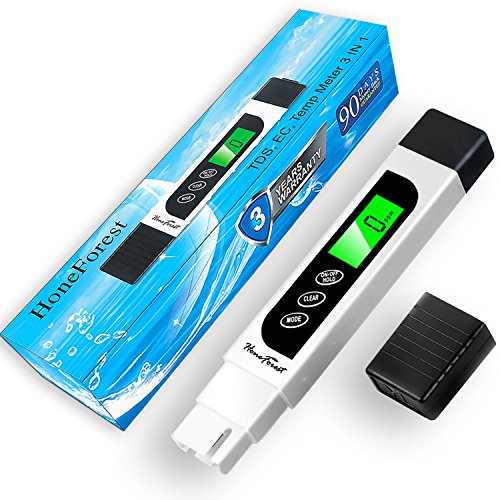
A TDS meter does not identify contaminants, and anyone claiming otherwise is selling something. What it does do is give you a repeatable number in seconds, so you can see whether a new filter actually changed anything.
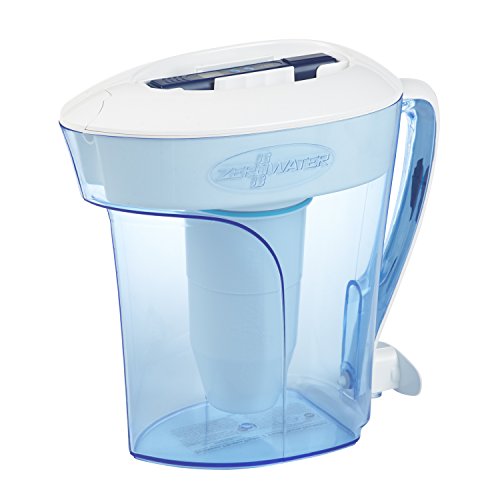
The only pitcher that reliably brings TDS to zero, and it ships with a meter so you can watch it happen. It is not a whole-house answer, but it is the fastest thing you can do between a bad test result and a real fix.

The system most comparison charts are implicitly measured against: six stages including a remineralising cartridge, and parts you can still buy in five years, which is not true of every RO brand. Check the scope before assuming it covers your problem. iSpring lists the RCC7AK as certified to NSF/ANSI 58 for TDS reduction, which is a dissolved-solids claim rather than a per-contaminant health claim like lead or PFAS.

Three stages is where whole-house filtration stops being a sediment screen and starts meaningfully addressing chlorine and taste at every fixture. This is the volume tier for a reason.