Municipal water quality research works differently than for hazards tied to individual home characteristics — it follows utility service boundaries.
- Research by specific utility name and CCR, not general neighborhood characteristics.
- Check for documented utility violation history or lead service line program status.
- Property-specific internal plumbing still matters beyond utility-wide CCR data.
- This is a genuinely different research approach than for hazards tied to individual home characteristics.
Researching by Utility, Not Neighborhood
Since municipal water quality is determined by which specific utility serves an area (which can vary even within the same general region), research by specific utility name and its CCR rather than general neighborhood characteristics.
Checking for Documented Utility Issues
Search for your specific target utility’s name alongside terms like “violation” or “lead service line program” to check for any documented history or ongoing remediation efforts relevant to your specific service area.
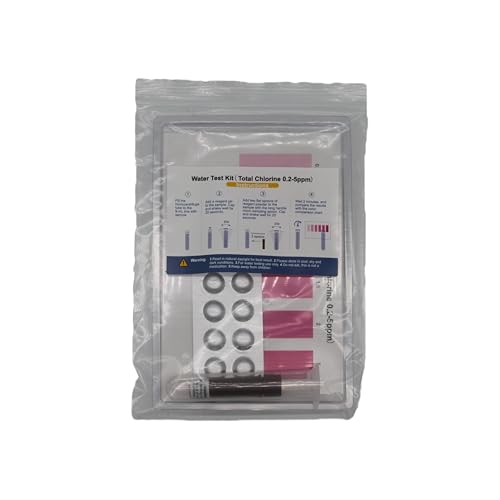
Why Property-Specific Factors Still Matter
Even within the same utility service area, your specific property’s internal plumbing age and service line material still matter for your actual home-specific water quality, beyond the utility-wide CCR data.

Ask the Utility Directly Before You Buy
Utilities field address-level questions routinely, and the answers are usually more specific than anything you can infer from a published report. Two are worth asking about a property you are considering: whether the service line material for that address is recorded, and whether the address falls inside any ongoing replacement or monitoring program.
Ask by address rather than by street, because service line records are kept per connection and neighboring properties were often connected in different years. If the utility’s record is marked unknown, that is a useful answer too: it means the material has not been verified rather than that it has been cleared.
What the Seller Can Tell You That the Report Cannot
Anything done inside the property is invisible to the utility and to its report. Previous repiping, a partial replacement of the service line, an existing treatment system and its service history, and any past testing are all matters the current owner may have records of. Disclosure requirements vary by jurisdiction, so what must be volunteered differs from what can be asked.
Where records exist, ask for them rather than for a summary. A dated invoice for repiping tells you what was replaced and what was left; a recollection that the plumbing was done at some point does not. Where no records exist, that absence is worth factoring into your own testing plan rather than treating as reassurance.
Boundary Addresses and Recently Changed Service Areas
Service areas do not always follow the boundaries people recognize, and they change. Annexations, consolidations between systems, and wholesale arrangements where one provider buys treated water from another all mean the utility serving an address today may not be the one serving it a few years ago, or the one serving the next street.
For a property near a boundary, the reliable confirmation is the provider named on the bill for that specific address, supported by the provider confirming the address sits in their service area. That takes one call and removes the risk of researching an accurate report about a system that does not supply the house you are buying.
FAQ
Can two homes in the same neighborhood have different municipal water utilities?
Occasionally, particularly near utility service area boundaries — confirm the specific utility serving any property you’re researching rather than assuming based on general neighborhood location.
Can I find out the service line material before making an offer?
Often yes. Many utilities maintain a service line material inventory and will answer an address-level query, and some publish a lookup[1]. Where the record shows the material as unknown, treat that as unverified rather than as an all-clear[1].
Does a utility violation in the past mean I should avoid the area?
Not on its own. What matters more is what the utility did in response and whether the issue is described as resolved in subsequent reports. A documented problem that was reported and corrected is a different signal from a pattern that recurs across several years.
Is a neighbor’s recent test result useful to me?
It is useful for the system-wide part of the picture that you share, and not useful for the part that depends on each property’s own service line and internal plumbing. Treat it as background rather than as a result for the address you are considering.
Confirm the specific utility serving any property you’re researching, since service areas don’t always align neatly with general neighborhood boundaries.
References
- 40 CFR 141.84 — Service line inventory and replacement requirements. Electronic Code of Federal Regulations. Accessed 1 October 2026
These statements have not been evaluated by the Food and Drug Administration. This information is not intended to diagnose, treat, cure, or prevent any disease. Content is for informational purposes only and is not medical advice; consult a qualified healthcare provider before starting any supplement. As an Amazon Associate we earn from qualifying purchases.
