Landlords have specific practical considerations given municipal water‘s already-regulated baseline plus property-specific plumbing factors.
- Landlords generally aren’t required to provide additional filtration beyond municipal baseline compliance.
- Check state requirements for disclosing known lead service lines or plumbing to tenants.
- Address tenant-reported elevated test results promptly given lead’s well-established health stakes.
- The main landlord consideration is property-specific plumbing, not the municipal source water itself.
Baseline Compliance Awareness
Since source water is already regulated, landlords generally aren’t required to provide additional filtration beyond municipal compliance — the main property-specific consideration is internal plumbing and service line material.
Service Line and Plumbing Disclosure
Check your specific state’s requirements for disclosing known lead service lines or lead-containing internal plumbing to tenants, particularly for older properties.

Responding to Tenant-Reported Concerns
If a tenant reports a documented elevated tap-specific test result, address this promptly given lead’s well-established health stakes, even without a specific mandate the way some other states’ habitability statutes address other hazards more explicitly.
Turnover Is the Natural Time to Check a Unit
A vacancy is the one period when a rental unit’s plumbing is reliably undisturbed, and it is also the point at which you have access without coordinating around a tenant. That combination makes turnover the practical moment to look at anything you have been meaning to check, and to flush the fixtures before the next tenancy begins rather than leaving that to whoever moves in.
Water that has been standing in a unit’s plumbing through a vacancy is not in the same condition as water in a unit that has been occupied continuously. Running the fixtures before handover is a small piece of routine that costs nothing, and it is worth writing into whatever turnover checklist you already use so it happens every time rather than when someone remembers.
Keep Records Per Unit, Not Per Property
Plumbing inside a multi-unit building is frequently not uniform. Units renovated at different times, fixtures replaced piecemeal, and branch runs of different ages mean that a result from one unit does not necessarily describe the one across the hall. A record filed against the property as a whole quietly loses that distinction, and it is the distinction that matters if a question ever arises about a specific tenancy.
A usable record is short: which unit, which fixture, the date, who collected the sample, what came back, and what was done about it. Keeping it in the same place as your other per-unit maintenance history means it is available when you need it, which is typically during a turnover, a sale, or a tenant question, and rarely at a moment when reconstructing it is convenient.
Decide a Filtration Policy Before a Tenant Asks
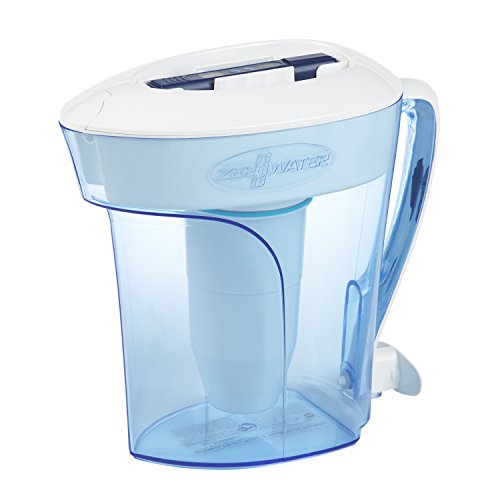
Responding to filtration requests case by case tends to produce inconsistency across units that is hard to explain later. Deciding in advance what you provide, whether it is nothing beyond the regulated supply, a point-of-use unit in some circumstances, or something more, lets you answer the same way every time and lets you price it into the tenancy rather than absorbing it ad hoc.
If you do provide equipment, the question that causes the most friction is who replaces the consumables and on what schedule. Settling that in writing at the start, alongside who to contact when a unit needs service, prevents the common outcome where a filter is installed, never maintained, and eventually provides less benefit than the tenant believes it does. What you can and cannot require of a tenant varies by jurisdiction, so confirm the wording locally.
FAQ
Am I required to disclose a known lead service line to tenants?
This varies by state — check your specific state’s requirements, and consider proactive disclosure reasonable practice regardless of specific mandate.
If I install a filter in one unit, do I have to provide one in all of them?
That is a question about your own policy and about local landlord-tenant law rather than about water treatment, and the answer varies by jurisdiction. The practical point is that deciding a consistent policy in advance is easier to administer and easier to explain than responding to each request individually. Confirm any obligation with your state’s landlord-tenant resources.
Who should be responsible for replacing filter cartridges in a rental?
Either arrangement can work, but it should be written down before the equipment is installed. The failure mode is an unmaintained unit that everyone assumes someone else is servicing. Whoever holds the responsibility also needs the schedule and a source for the correct replacement parts.
Should I check a unit before a new tenant moves in?
A vacancy is the easiest time to do it, since access is unrestricted and the plumbing has not been disturbed. At minimum, flushing the fixtures before handover is quick and belongs on a turnover checklist. Whether to go further depends on the age of the building and on what you already know about its plumbing.
This is general guidance, not legal advice — consult your state’s landlord-tenant law resources for specific obligations.
These statements have not been evaluated by the Food and Drug Administration. This information is not intended to diagnose, treat, cure, or prevent any disease. Content is for informational purposes only and is not medical advice; consult a qualified healthcare provider before starting any supplement. As an Amazon Associate we earn from qualifying purchases.
